

Understanding Asbestos Exposure: Risks and Symptoms
Posted: 22nd Jan 26 10:00 AM
Written by Jan Garvey (Senior Case Manager at National Asbestos Helpline)
Last Updated: 22/01/26
Asbestos exposure remains a significant health concern, particularly for older generations who may have been exposed to this hazardous material in their homes or workplaces. For those living in the UK, understanding the risks associated with asbestos and recognising the symptoms of related diseases can be critical in seeking appropriate support, including potential compensation. This article aims to provide a comprehensive overview of asbestos exposure, its associated risks, and the key symptoms to be aware of.
What is Asbestos?
Asbestos is a naturally occurring mineral once prized for its durability, heat resistance, and insulating properties. From the mid-20th century until its use was effectively banned in the UK in 1999, asbestos was a common component in construction materials, insulation, roofing, and even household items. Unfortunately, the same properties that made asbestos valuable also made it deadly, as its fibres can become airborne and inhaled when disturbed.
Who is at Risk of Asbestos Exposure?
While asbestos use has been banned for over two decades, its legacy persists. Older buildings, both residential and industrial, still contain asbestos in roofing, insulation, and other materials. Those most at risk of exposure include:
- Tradespeople: Builders, plumbers, electricians, and other workers who often dealt with asbestos-containing materials during their careers.
- Factory Workers: Employees in industries such as shipbuilding, construction, and manufacturing, where asbestos was widely used.
- Family Members: Secondary exposure was common among those who laundered work clothes contaminated with asbestos fibres.
The Health Risks of Asbestos Exposure
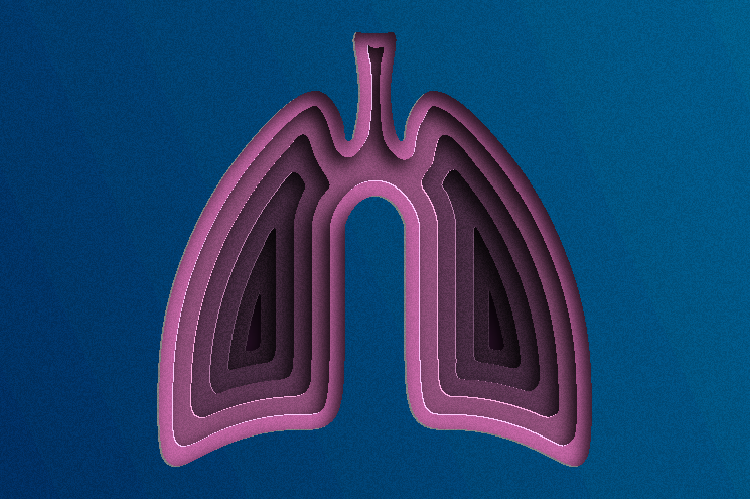
The health effects of asbestos exposure are serious and often long-term. When asbestos fibres are inhaled, they can become lodged in the lungs and surrounding tissue, causing inflammation and scarring over time. This can lead to several severe illnesses, including:
- Mesothelioma: A rare but aggressive cancer affecting the lining of the lungs (pleura) or abdomen (peritoneum).
- Asbestosis: A chronic lung disease caused by scarring of lung tissue, leading to breathlessness and other respiratory symptoms.
- Lung Cancer: Long-term exposure to asbestos significantly increases the risk of lung cancer, particularly in smokers.
- Pleural Thickening: A condition where the lining of the lungs becomes thickened, leading to reduced lung capacity and difficulty breathing.
Recognising Symptoms of Asbestos-Related Disease
Symptoms of asbestos-related disease often take decades to manifest, with a latency period of 20 to 50 years after initial exposure. Early detection is critical to managing these conditions effectively. Common symptoms include:
- Persistent coughing
- Shortness of breath or difficulty breathing
- Chest pain or tightness
- Fatigue or unexplained weight loss
- Swelling in the face or neck (in advanced cases of mesothelioma)
If you or a loved one experiences these symptoms and has a history of asbestos exposure, consult your GP immediately. Early diagnosis can improve the effectiveness of treatments and support options.
Steps to Take After Asbestos Exposure
If you suspect you’ve been exposed to asbestos or are showing related symptoms, there are several steps you can take:
- Consult a Medical Professional: Inform your GP about your potential asbestos exposure and any symptoms you’re experiencing.
- Seek a Specialist: For those diagnosed with asbestos-related conditions, consulting a specialist in respiratory or occupational health can provide more tailored care.
- Contact the National Asbestos Helpline: Our team offers guidance on legal, medical, and financial support for individuals affected by asbestos exposure.
Compensation for Asbestos-Related Diseases
If you’ve developed an asbestos-related condition due to exposure in the workplace or through secondary contact, you may be entitled to compensation. The UK government and legal system provide various avenues for claims, including:
- Personal Injury Claims: These can be pursued with the help of specialised solicitors to secure compensation for pain, suffering, and financial losses.
- Government Benefits: Schemes such as the Industrial Injuries Disablement Benefit (IIDB) and the Diffuse Mesothelioma Payment Scheme (DMPS) provide financial support for affected individuals.
How the National Asbestos Helpline Can Help
Navigating the complexities of asbestos-related diseases and compensation claims can be overwhelming. The National Asbestos Helpline provides:
- Free Advice: Our advisors are available to discuss your situation and outline your options.
- Support with Claims: We work with specialist solicitors to help you pursue compensation.
- Emotional Support: Dealing with a diagnosis can be emotionally taxing, and we’re here to provide guidance and reassurance.
Protecting Future Generations
Although asbestos use has been banned, the risk of exposure remains in older buildings and materials. Raising awareness about asbestos risks, safe handling, and professional removal is essential to protecting future generations.
If you’re considering renovation work on an older property, always consult an asbestos professional to safely assess and handle materials. DIY efforts can disturb asbestos fibres, putting you and your family at risk.
Understanding asbestos exposure, its risks, and its symptoms is vital for individuals and families who may be affected. The National Asbestos Helpline is committed to supporting those impacted by asbestos-related diseases, offering guidance on medical care, compensation, and emotional well-being. If you or a loved one needs assistance, don’t hesitate to contact us today for compassionate, expert advice.
Call us free on: 0800 043 6635
Email: enquiries@nationalasbestoshelpline.co.uk
Or complete our short online enquiry form here
We’re here to make the process as straightforward and stress-free as possible.
Legal content reviewed by Joan Kennedy (Partner and Solicitor in Asbestos Disease Law at Alderstone Solicitors)