

The Health Risks of Second-Hand Asbestos Exposure
Posted: 20th Jan 26 10:17 AM
Written by Jan Garvey (Senior Case Manager at National Asbestos Helpline)
Last Updated: 20/01/26
Asbestos exposure is a well-documented health hazard, primarily affecting individuals who worked directly with the material or in industries where it was commonly used. However, one lesser-known but equally concerning risk is second-hand asbestos exposure, which can have devastating health consequences for individuals who never directly handled the material.
What is Second-hand Asbestos Exposure?
Second-hand asbestos exposure, sometimes referred to as para-occupational exposure, occurs when someone comes into contact with asbestos fibres indirectly. This typically happens when asbestos fibres are carried home on the clothing, hair, or personal items of individuals who worked in environments where asbestos was present. Family members, particularly spouses and children, were often unknowingly exposed to these microscopic fibres, creating a hidden but significant health risk.
While asbestos was widely used in the UK until its ban in 1999, its effects continue to manifest decades later. Asbestos-related diseases often have long latency periods, meaning symptoms may not appear until 20 to 50 years after exposure. This delayed onset makes it crucial for individuals with a history of second-hand exposure to remain vigilant about their health.
How Does Second-hand Asbestos Exposure Happen?
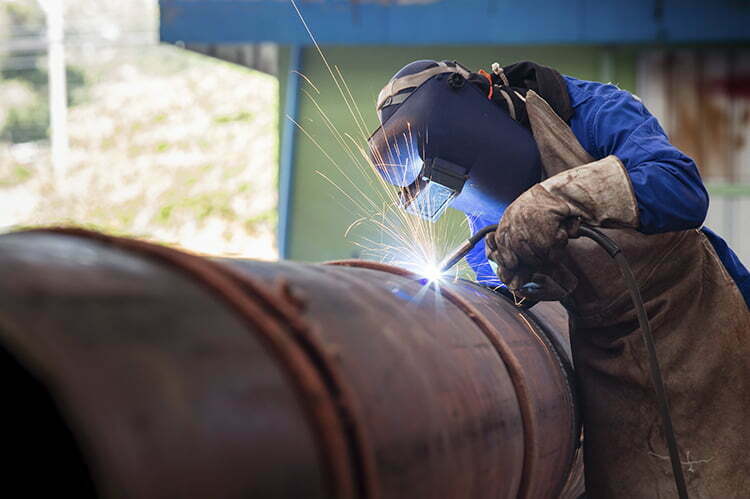
Second-hand asbestos exposure was most common during the height of asbestos use in the mid-20th century. Workers in industries such as construction, shipbuilding, manufacturing, and insulation frequently encountered asbestos in their daily tasks. Without adequate protective equipment or awareness of the risks, they often brought asbestos fibres home with them. Common scenarios included:
- Clothing: Workers’ overalls, uniforms, or workwear often became contaminated with asbestos dust. Washing these clothes or even handling them to shake out debris could release fibres into the air.
- Hair and Skin: Asbestos fibres could adhere to hair and skin, exposing family members through close physical contact.
- Tools and Personal Items: Tools, lunchboxes, and other items brought home from the workplace could also act as carriers for asbestos fibres.
Health Risks Associated with Second-hand Asbestos Exposure
The health risks of second-hand asbestos exposure are similar to those of direct occupational exposure. The inhalation or ingestion of asbestos fibres can lead to serious diseases, including:
- Mesothelioma: A rare and aggressive cancer that affects the lining of the lungs (pleura) or abdomen (peritoneum). Mesothelioma is almost exclusively caused by asbestos exposure, and even low levels of exposure can increase the risk.
- Asbestosis: A chronic lung condition caused by the scarring of lung tissue due to prolonged asbestos exposure. This disease can lead to severe respiratory issues and significantly impact quality of life.
- Lung Cancer: Asbestos exposure is a known cause of lung cancer, particularly among smokers. Second-hand exposure can also contribute to this risk.
- Pleural Plaques: While non-cancerous, pleural plaques indicate asbestos exposure and can be a marker for increased risk of other asbestos-related diseases.
Recognising the Symptoms
The symptoms of asbestos-related diseases can be subtle and may not appear until decades after exposure. Key symptoms to watch for include:
- Persistent coughing
- Shortness of breath
- Chest pain
- Fatigue
- Unexplained weight loss
If you or a loved one experiences these symptoms and has a history of second-hand asbestos exposure, it is essential to consult a healthcare professional promptly.
Seeking Support and Compensation
If you suspect that second-hand asbestos exposure has impacted your health, you are not alone. The National Asbestos Helpline is here to provide guidance and support. Compensation claims for asbestos-related diseases can help cover medical expenses, loss of income, and provide financial security for your family.
To make a claim, you must establish a link between the exposure and the diagnosed condition. This process often involves:
- Medical Evidence: A confirmed diagnosis of an asbestos-related disease.
- Occupational History: Detailed accounts of the primary source of exposure, including information about the affected family member’s workplace.
- Legal Assistance: Expert legal advice to navigate the claims process effectively.
Preventing Further Exposure
Although asbestos use has been banned in the UK for over two decades, the legacy of its widespread use lingers. To reduce the risk of exposure:
- Handle Asbestos Safely: If you suspect asbestos in your home, do not attempt to remove it yourself. Hire licensed professionals to handle the material safely.
- Be Informed: Learn about the locations and materials where asbestos may still be present, such as older buildings.
- Support Awareness Efforts: Encourage others to learn about asbestos risks and the importance of early diagnosis for asbestos-related diseases.
Moving Forward Together
The impact of second-hand asbestos exposure is profound, not only for those diagnosed with related diseases but also for their families. At the National Asbestos Helpline, we understand the emotional and physical toll that comes with these conditions. Our dedicated team is here to provide the resources, support, and expertise you need to navigate this challenging time.
If you or a loved one has been affected by asbestos exposure, do not hesitate to reach out. Early action can make a significant difference in managing health outcomes and securing the compensation you deserve. Together, we can help ensure that no one faces the legacy of asbestos alone.
Call us free on: 0800 043 6635
Email: enquiries@nationalasbestoshelpline.co.uk
Or complete our short online enquiry form here
We’re here to make the process as straightforward and stress-free as possible.
Legal content reviewed by Joan Kennedy (Partner and Solicitor in Asbestos Disease Law at Alderstone Solicitors).